
Sai Lokesh • 04 February, 2025
Transforming Your Kitchen Waste into Garden Gold: A Simple Guide for Indian Home Gardeners
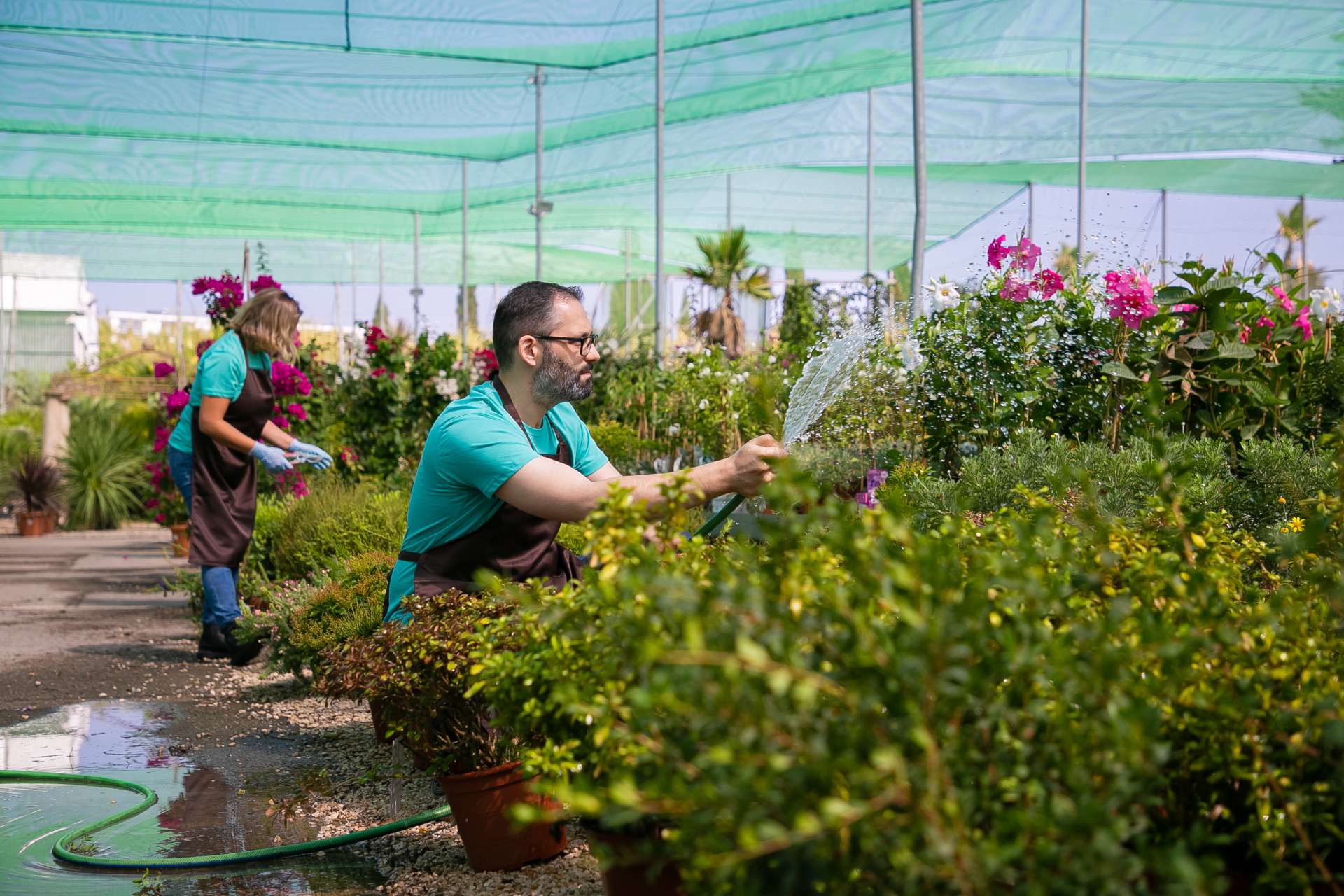
As someone who’s always been passionate about gardening, I’ve often found myself wondering how I could give my plants the best possible care without relying on expensive fertilizers or harmful chemicals. And then it hit me—why not look no further than my own kitchen? Yes, I’m talking about the very scraps we throw away every day. With just a little creativity and effort, we can transform our kitchen waste into nutrient-rich compost that’ll work wonders for our plants.
What’s even better? This isn’t just a way to make our gardens flourish—it’s a small yet significant step towards reducing waste, being more sustainable, and living a lifestyle that’s mindful of the earth. So, if you’ve ever wondered how to make your garden thrive naturally while reducing your household waste, this post is for you!
Why Kitchen Waste is Gold for Your Garden
I’ve often been guilty of tossing vegetable peels, fruit scraps, and tea leaves into the bin without a second thought. But once I started learning more about composting, I realized that this “waste” is full of life-giving nutrients! Whether you live in an apartment in Delhi or have a sprawling backyard in Bangalore, turning kitchen waste into compost is a game-changer for your garden.
In India, where gardening is part of our cultural fabric, it feels almost natural to embrace this method. It’s a perfect fusion of tradition and modern sustainability. So, let’s talk about how you can start turning your everyday kitchen waste into a valuable resource for your plants.
What You Need
No need for fancy equipment or hard-to-find ingredients. Here’s all you need to get started:
- A container or compost bin: It can be as simple as an old bucket or an unused cardboard box.
- Kitchen waste: Things like vegetable peels, fruit skins, tea leaves, egg shells, coffee grounds, and even rice leftovers!
- Yard waste: If you have dry leaves, grass clippings, or even small twigs lying around, these will be perfect.
- A little patience and love (that’s the secret ingredient!).
How to Get Started: Step by Step
- Find Your Composting Container: I started with an old plastic bin I had lying around. You don’t need anything fancy. Just make sure it has some holes at the bottom for air to flow in and out. If you don’t have a compost bin, any container can work as long as you give it room to breathe.
- Layering Matters: I’ve learned that layering is key to the composting process. Start with a base layer of dry leaves or shredded paper. It helps with drainage and air circulation, preventing your compost from getting too soggy. Then, add your kitchen scraps on top. I find it best to mix both wet (fruit peels, tea bags) and dry materials (egg shells, cardboard).
- Add Yard Waste: If you have a garden, you’re in luck! Add grass clippings, dry leaves, or small twigs to your compost. These not only help balance the nitrogen levels from kitchen scraps but also keep the composting process going smoothly.
- Turn It Occasionally: Every couple of weeks, I gently turn my compost to give it the air it needs. If you don’t want to get your hands dirty, just shake your bin once in a while. If you’re in a hurry, don’t worry—it’ll still decompose, just maybe a bit slower.
- Patience is Key: It took me a little while to realize that composting is not an instant process. It can take anywhere from 3 to 6 months for the kitchen waste to turn into rich, dark compost, but believe me, it’s worth the wait. The end result is like magic—your plants will thrive on the nutrients!
Some Personal Tips for Success
- Avoid Citrus and Dairy: I learned this the hard way. Citrus peels and dairy products can slow down the composting process, so I avoid adding them.
- Moisture is Important: If the compost starts to look too dry, I simply add a bit of water. But I’m careful not to make it too wet—think of it like a wrung-out sponge.
- Don’t Overfill: I keep my compost bin about three-quarters full, which leaves enough space for air and keeps things from getting too compact.
Why It’s So Worth It
Every time I add a bit of kitchen waste to my compost bin, I feel like I’m doing something good for the planet—and it doesn’t stop there. The compost I make enriches the soil in my garden, making it healthier, richer, and more capable of holding moisture. This means my plants grow stronger, greener, and more vibrant. And because it’s organic, there are no harmful chemicals or toxins involved—just pure, natural goodness.
Plus, as someone who believes in conscious living, I feel good knowing that I’m reducing the amount of waste going to landfills. Imagine how much kitchen waste we throw away every day as a nation. If every home gardener in India started composting their kitchen scraps, it could make a huge difference in our environmental footprint.
The Indian Touch: Using Local Ingredients
What I love about this practice is that it’s so adaptable to Indian households. For instance, adding dried neem leaves or marigold petals to your compost can help keep pests away naturally. If you have access to cow dung (a staple in many rural homes), it can further enrich the compost with valuable nutrients.
Final Thoughts
Composting kitchen waste is one of the simplest, most effective ways to care for your garden and our planet. Whether you’re a beginner gardener or someone who’s been growing plants for years, this is an easy practice that can make a world of difference.
It’s about being mindful of what we throw away, using what we have, and creating something beautiful in return. Next time you peel a potato or slice an onion, take a moment to think about how you can turn those scraps into something that will nurture your plants and the earth.
Let’s take small steps to make a big difference, starting with our kitchens. Happy gardening!
Related Posts

Sai Lokesh • 04 February, 2025
Landscaping Tips for Celebrating Holi in Your